YEAR-TO- DATE SUMMARY OF SAN ISIDRO LABRADOR FOUNDATION (SILF) PROGRAM ACTIVITIES 2022 to 2025
By Araceli Victoria, CFO/Acting CEO
San Isidro Labrador Foundation was registered in the State of Florida, USA in 2022 and has been operating as a family-owned non-profit corporation geared towards helping and supporting families in underdeveloped countries like the Philippines, other Asian countries as well as countries all over the world through community involvement and outreach programs. The main goal of the foundation is to provide basic necessities such as food, shelter, education, health, cultural and spiritual activities to the poor and the homeless in agricultural communities and /or reduce hunger and poverty in all communities all over the world.
For the last 3 1/2 years the members and officers of SILF were involved in volunteering, fund raising and planning activities as follows:
a) One of the members of the foundation was involved in volunteering to homeless shelter such as Pinellas Hope by cooking and providing food to the hungry and homeless in the Tampa, Florida area.
b) Another member thru the Catholic Ministry visits once a week the sick, the elderly and disabled residents of four nursing homes in Clearwater, Florida area to pray with them the Rosary and Chaplet of Divine Mercy, as well as entertain them with Christian songs and old country music.
Most of these residents have few relatives or no relatives at all to visit them and are happy to have somebody visiting them every week. The average number of residents visited in one nursing home is between 4-11 residents per nursing home.
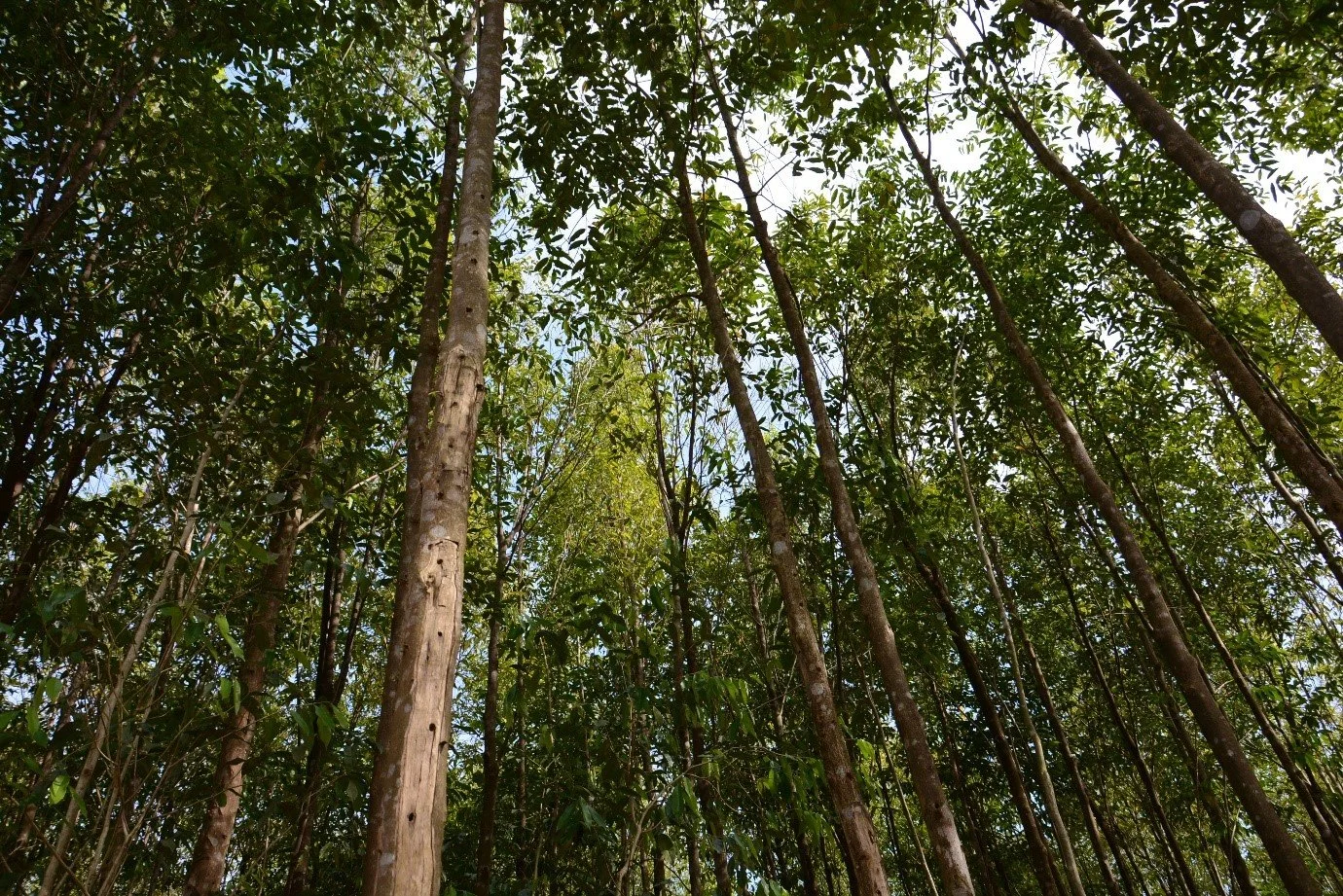
a) In the Philippines, the Chairman or CEO of SILF has been involved in coordinating with local government officials such as the governor of Quezon province in the Philippines to meet and talk with indigenous population of around 10,000 families, residing in idled land or uncultivated land of Infanta, Quezon. The CEO has also been coordinating with the head of other governmental organizations to help 53,000 families of indigenous population in Zambales province in Central Luzon, Philippines. The officers and members of SILF prepared a feasibility study of Agarwood Tree Plantation in both communities. Agarwood is a tree commodity of high value that is suitable to tropical forest like the site of the uncultivated land of Infanta, Quezon and Zambales in Central Luzon with a total land area of 130,000 hectares. The estimated cost of these two projects is $4.3 Billion USD.
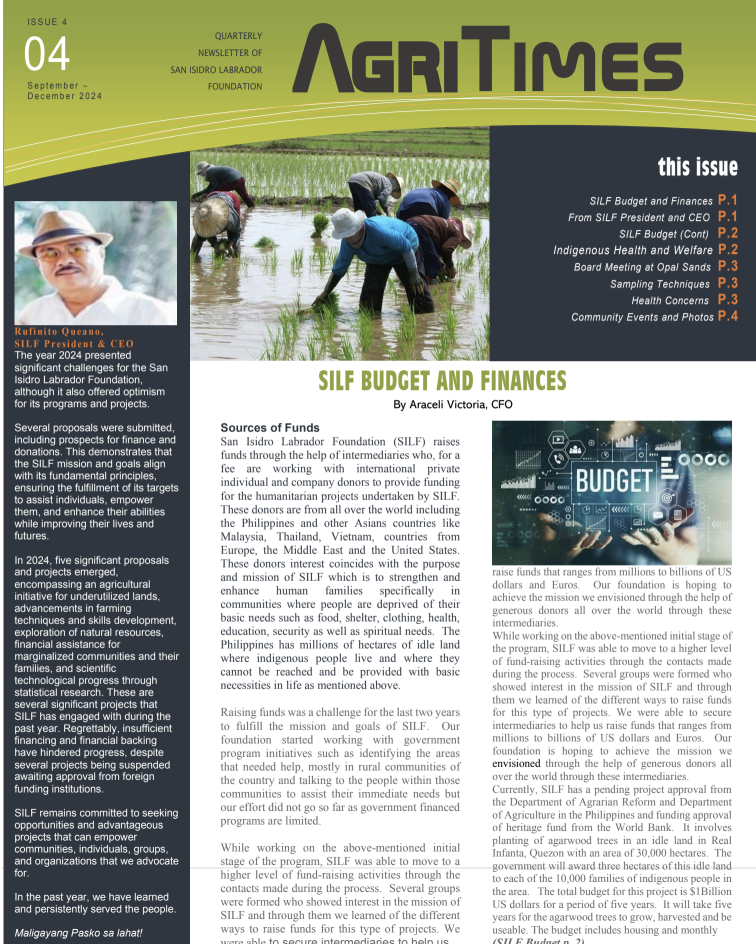
Agarwood tree is the source of the most valuable primary commodities in the world, the Agarwood tree oil, which is the commonly know as “OUD OIL”. This oil is obtained through the distillation of Agarwood. OUD OIL is the primary ingredient in numerous of the most expensive fragrances in the world Luxury fragrance lines that incorporate Oud Oil. OUD Oil is a prominent component of high-end fragrances produce and marketed by renowned companies including Calvin Klein, Hugo Boss and Versace. Premium OUD Oil has been sold over US$50K per kilogram due to its limited availability and high demand. The current global market for Oud Oil and associated Agarwood products is experiencing significant growth with an annual value of $12 billion USD.
These Agarwood tree plantation projects will provide sustainable livelihood to the indigenous population or all the residents of these agricultural communities. SILF will provide funding through SILF generous donors, for the development of the agricultural communities which include a) land development, housing (each household will get around three hectares of land to accommodate Agarwood tree planting for the family’s livelihood), roads and transportation facilities, hospitals or health facilities, schools, community centers and airports when necessary. There are approximately 1.44 million hectares of idle land in the Philippines that potentially can be developed similar to agricultural communities proposed to Real, Infanta and Zambales, Central Luzon, Philippines.
b) Planning is also underway for SILF to pursue programs in agricultural systems that can improve nutrition, reduce water use, and boast food affordability. Training on these programs would be supported through scholarships and international collaboration with international organization like FAO.
San Isidro Labrador Foundation Proposed projects for 2026 in addition to community developments of idled lands in the Philippines are the following:
a) Oil and gas exploration project – SILF plans to prepare a feasibility study of this project. Based on the Department of Energy Report, Philippines has proven reserves of oil and gas in the following areas:
1. Offshore Palawan – estimated quantity found/proven) is 2.7 – 3.2 trillion cubic ft (Tcf) gas, 85 million barrels condensate of natural gas
2. Onshore Cebu (Visayas) – 27.93 million barrels oil, 9.42 billion cubic ft of gas
3. Onshore Mindanao – 3.4 Tcf gas, 4.8 billon barrels oil
4. Offshore (disputed) West Philippine Sea – 17.1 billion barrels oil
5. Offshore/onshore Cebu – 26.3 -31.9 million barrels oil
Oil and gas are expensive commodities that the Philippines can tap and develop which will help improve the country’s economy and reduce hunger and poverty in the Philippines. As of April 2025, according to Philippines news, 15.5 million Filipinos considered themselves poor or 55% of the population are self-rated poor. The exploration or development of oil and gas reserves in the above-listed locations will help the Philippine economy and reduce the hunger and poverty of 55% of the population of the country.
b) Flood Control Program - One of the most important projects that the Philippine government has been working on is to minimize flooding in the Philippines. Storms, hurricane and heavy downpour of continues rain that can last for several days are common in this country that can cause flooding. Flooding wipes up the homes and means of the families’ livelihood like farm and agricultural products of generally all poor communities of the country affected by the flood and results in increase rate of hunger and poverty of the country. Other projects being considered by SILF for the current year related to the spiritual aim of the foundation are:
a. Supporting the Diocese of St. Petersburgh through St. Catherine of Siena Catholic Church program for the poor, hungry and homeless of Pinellas County around the Tampa, Florida area, Pinellas Hope Homeless shelter. This shelter needs renovation badly. The kitchen and dining areas for the hungry and poor immigrant population of Pinellas county’s air-conditioning broke down that the temperature especially in the kitchen is unbearable especially in the summer months.
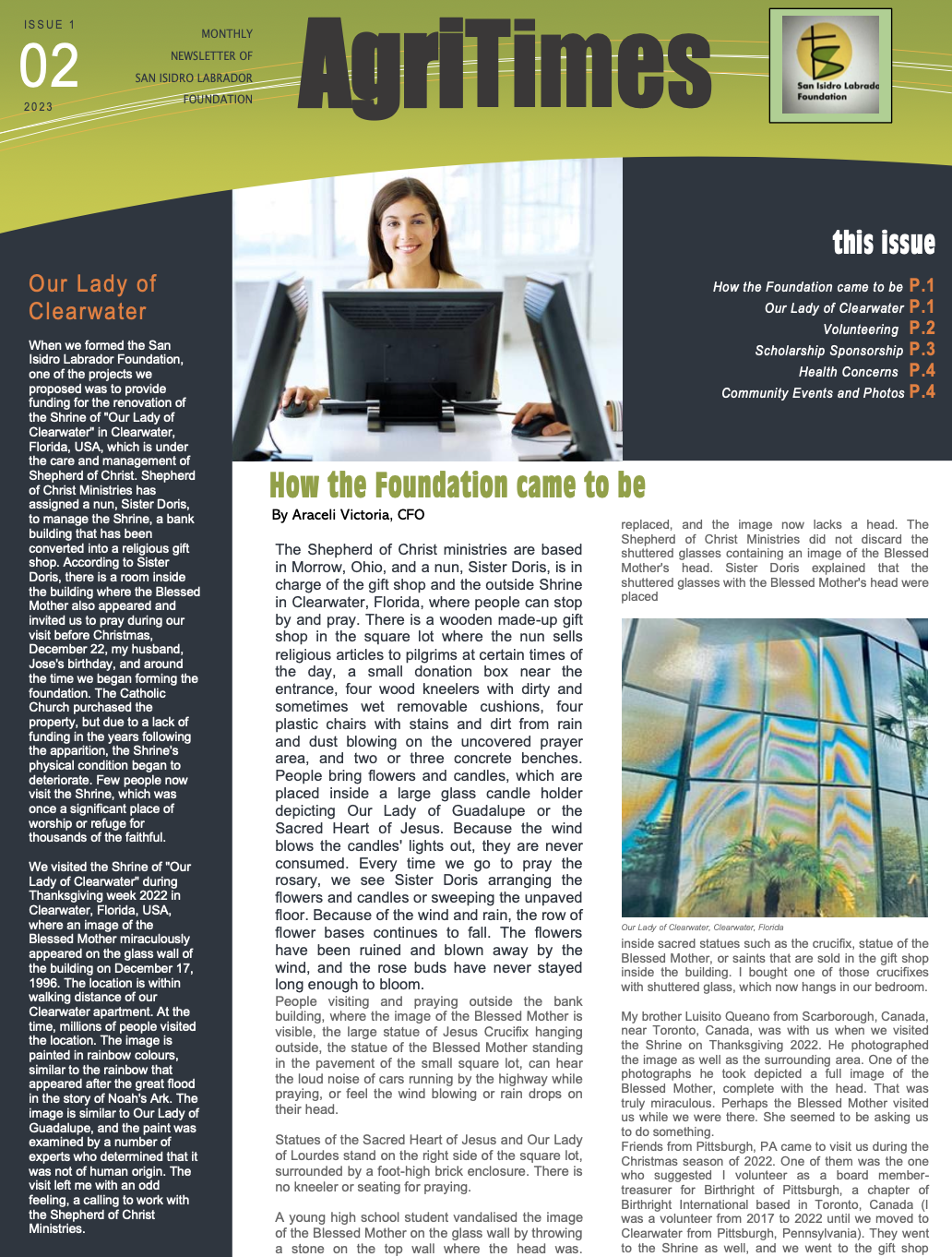
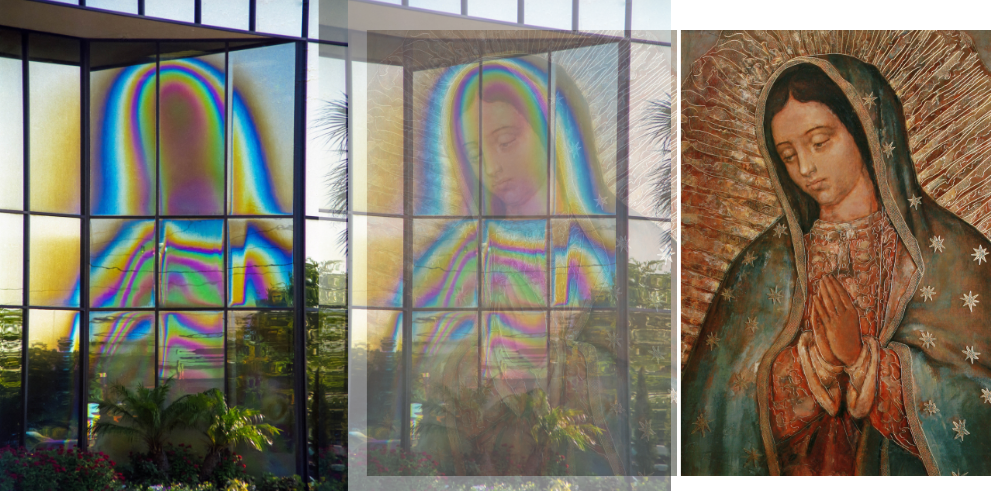
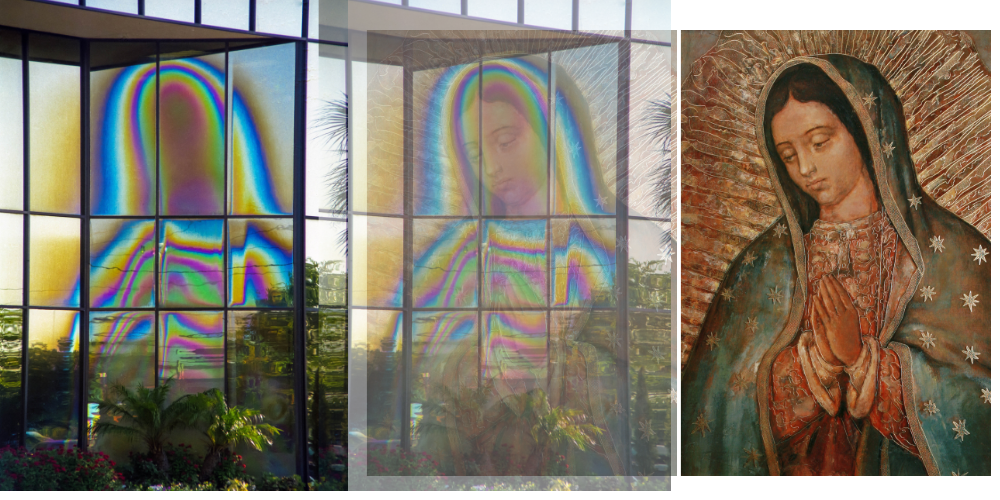
b. SILF plan to build a Shrine of Our Lady of Clearwater here in Clearwater, Florida. In 1996, an image of Our Lady of Guadalupe appeared in the glass wall of a financial building in Clearwater, Florida, a walking distance from SILF address here in Clearwater. Millions of people visited the shrine including Mother Angelica, the Founder of EWTN (Eternal Word Television Network), the catholic TV channel. This image was tested and examined by experts and found that the paint is not of human origin. A visionary, name Rita Ring who receives messages from Jesus everyday is with the Association in charged of maintaining the building with image of the Blessed Mother, “The Shepard of Christ”. The inside of the building is now a Catholic
Shop with images and statues, religious books, and a room where the Our Blessed Mother appeared to the visionary according to Sr. Doris, the keeper of the building. It was designated as a holy room and a chapel. The outside wall of that small room has also images and painting that is also not of human origin.
In November, 2022, on Thanksgiving day my sister, Lani from New York, my brother, Lui from Toronto, Canada and Jose, my husband and I (Araceli) visited the Shrine. I accidentally found out the site when I was looking for a “Legion of Mary” praesidium in Clearwater. We moved to Clearwater from Pittsburgh, PA in August, 2022.
During that visit to Our Lady of Clearwater, my brother, Lui took a picture of the headless image of Our Blessed Mother. Miraculously, the picture taken by itself showed the full image of Our Lady, with the head in the picture. He took a picture of all of us but the pictures
of us showed no head of Our Lady. During this time, my brother, Raffy/Tony was involved in monetization of frozen bank account for humanitarian project. After this visit to the Shrine of Our Lady of Clearwater, the four of us Tony, Lani, Lui and I (Araceli) decided to form a foundation and named it San Isidro Labrador, Patron Saint of Farmer and name of our mother Isidra and registered the foundation here in Florida.
This morning of March 15,2026, Jose and I visited the Shrine, brought two carnations flowers and prayed the 24th day of consecration to our Blessed Mother which include the full decades of the Rosary. The book store outside the building in the enclosed area where the big crucifix hanging on the center of the entire building, and in which the image of the Blessed Lady can be viewed and with a statue of Our Blessed Mother and large statue of the Sacred Heart of Jesus are on ground, was opened. A lady maybe on his late 50’s named Sonia, was manning the store and cleaning the area, sweeping all dry leaves spread all over the square open space area. She said hello to us and gave us a framed picture of our Blessed Mother who appeared in the small room inside the building and a small picture of “The Last Supper” that are displayed in the store for sale. She said, it is up to us to give donation or just give them to us for free. We told her that we will come this coming Wednesday and put donation on the donation back near the entrance of the pray area. She said she is a doctor by profession, a pediatrician working in Tampa and was there in the Shrine to volunteer every Sunday. She dressed very humbly and we thought she was also a nun. She complained to us that the plumbing in the building needs to be replaced and it will cost at least $10K to replace, and fixing, she said will not solve the problem. She was hoping they find somebody to donate for the maintenance of the building. We wished we already have funds in SILF to donate. We were inside the building before and the whole place is so dusty and dark and in August, 2024 after our visit inside the building, I was hospitalized for asthma exacerbation for one week. Although, it was a blessing also because of my hospitalization, I was given the proper treatment for my asthma that I never had a shortness of breath again since then. Sonia said the visionary, Rita Ring goes there to visit the Shrine. She is on her 80’s and still receives messages from Jesus. Her husband passed away just recently. I have read Rita Ring’s book of testimony. It would be a blessing to meet Rita, the visionary someday.
The building of the Shrine of Our Lady of Clearwater is one of the top priorities of SILF on the spiritual component of the foundation over and above the donation for cause of canonization of Bishop Obviar where his body is laid in Tayabas, Quezon and “Kamay ni Hesus” in Lukban, Quezon.
SILF Fund Raising Activities
Our President/CEO of SILF, Tony/Raffy is actively involved in fund raising activities. He is working on several sources of funds with known donors and donors referred by some of his colleagues. Lani, Lui and I are collaborating with him to the process. Efforts to raise funds for the foundation has been on the very top of our list of priorities. The foundation has several sources that are on our fingertips and we
are praying and hoping that every donation we are working on will materialize so we can start working on our humanitarian projects as soon as possible. These funds come on different forms such as monetization of frozen assets, wire transfers to our bank accounts, donation on line through Stripe, PayPal, Western Union and cashier checks and through our Website, sanisidrolabradorfoundation.com or sanisidrolabradorfoundation.org.
Establishing Organic Agriculture in Ibabang Bukal, Tayabas, Quezon: Institutional Support, Training, and Sustainable Development
By Luisito Queano
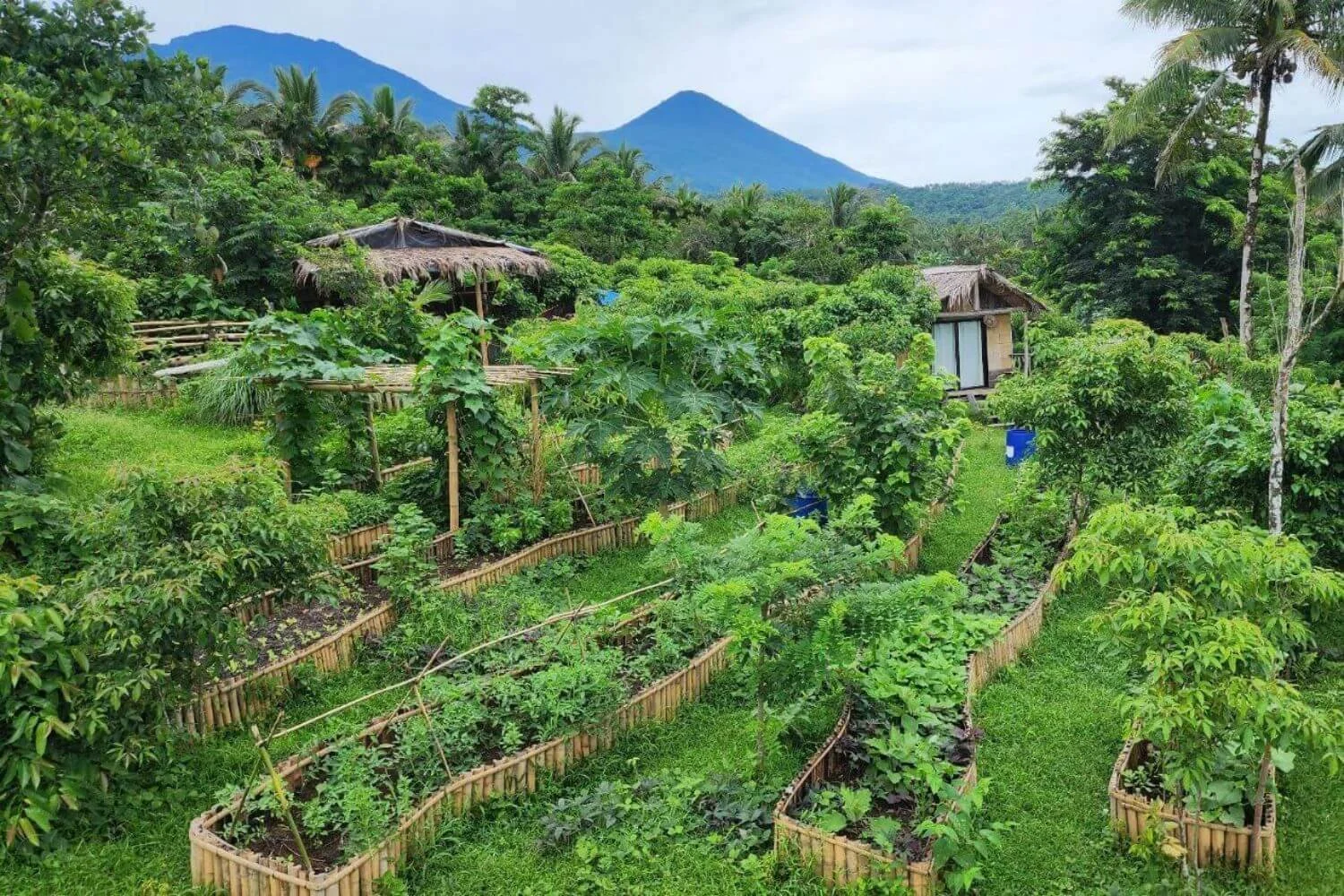
Ibabang Bukal in Tayabas, Quezon Province, is steadily gaining recognition not only for its thriving vegetable production but also for its growing commitment to organic agriculture. Several natural, institutional, and community-driven factors contribute to this development.
One of the primary reasons for the area’s agricultural success is its favorable geography. Tayabas lies on the southeastern side of Mount Banahaw, known for its cool climate and fertile volcanic soil. Together with Mount San Cristobal, it forms part of a protected national park that helps preserve the ecological balance of the region. The hilly terrain of Ibabang Bukal and neighboring Ilayang Bukal is enriched by freshwater springs, allowing farmers reliable access to water throughout the year. These natural resources provide an ideal environment not only for conventional vegetable farming but also for the establishment and expansion of organic agriculture systems.
In recent years, vegetable production has continued to increase due to the dedication and experience of local farmers. Even without extensive formal education, many farmers rely on practical knowledge passed down through generations. As they
recognize the long-term health, environmental, and market benefits of organic farming, more growers are gradually shifting toward chemical-free cultivation methods. Organic agriculture in Ibabang Bukal promotes soil regeneration, biodiversity conservation, and safer food production, strengthening Tayabas’ agricultural identity alongside rice, coconuts, and lambanog (coconut wine).
The establishment of organic agriculture in the area is strongly supported by institutions, cooperatives, and government programs. Farmers’ cooperatives play a vital role in helping smallholders transition to organic practices by providing low- or no-interest loans for organic inputs such as composting materials, natural fertilizers, and seeds. These cooperatives also offer extension services, shared equipment, and free harvest hauling for members. Through collective marketing strategies, farmers are better able to access local and regional markets, increasing profitability while reducing dependence on middlemen.
Local government units further assist by facilitating agricultural training, offering technical guidance, and linking farmers to government agencies that provide financial aid and
certification support for organic produce. Access to affordable credit and institutional backing reduces the risks often associated with transitioning from conventional to organic farming.
A key institutional partner in agricultural development is the San Isidro Labrador Foundation. The foundation plays an important role in equipping farmers with knowledge, skills, and resources necessary for sustainable and organic farming.
Through initiatives such as the Farmer’s Skills and Training Program (FSTP), farmers receive hands-on training in organic soil management, natural pest control, crop rotation, composting, and sustainable water use. The foundation collaborates with government agencies and agricultural experts to establish a network of farmer-support agents who mentor rural growers, answer crop-related concerns, and connect them with reliable buyers.
Training and extension services are crucial because many smallholder farmers underperform due to inefficient farming methods and limited technical knowledge. By introducing good agricultural practices tailored to organic systems, these programs enable farmers to improve soil fertility,
enhance crop yields, and maintain long-term farm productivity without degrading natural resources.
Smallholder agriculture remains a primary source of income for low-income households in the region. Although small family farms contribute significantly to food supply, their full productive potential is often unrealized. Strengthening organic agriculture through education, institutional support, and improved access to resources helps increase productivity, raise household incomes, and improve food security. Even modest improvements in yield and market access can significantly uplift the community.
Today, farmers in Ibabang Bukal and nearby agricultural barangays are discovering new economic opportunities through organic vegetable production. The shift toward sustainable agriculture not only boosts the local economy but also promotes environmental stewardship and public health. With continued support from local government units, cooperatives, and organizations such as the San Isidro Labrador Foundation, Ibabang Bukal is well-positioned to become a model community for organic farming development in Quezon Province###